Buying a Used Pool Cue: What to Check
A used cue is often the best value in the game. Players unload lightly used 300 dollar cues at half price all the time, usually because they upgraded or quit, not because anything is wrong with the cue. The used market also hides warped shafts, cracked ferrules, and refinishes done to cover damage, all of which photograph beautifully. Ten minutes of inspection separates a steal from a mistake.
The roll test, done right
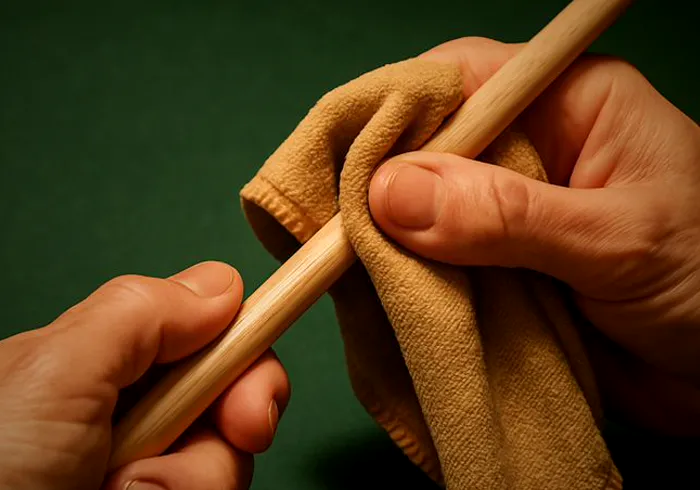
Find the flattest surface available. A slate pool table with good cloth works. So does a glass counter. Roll the shaft alone first and watch the tip end: a straight shaft rolls smooth, a warped one makes the tip hop or trace a visible wobble. Then screw the cue together and roll the whole thing. Some cues roll straight in halves but wobble assembled, which points at the joint facings rather than warped wood. One caveat. A small rise near the tip can be a mushroomed tip instead of warp, so keep an eye on the middle of the shaft too. Roll it gently. Spinning it fast tells you less.
Joint, pin, and faces
Take the cue apart and look at the joint. The pin should be dead straight. Sight down it while you slowly rotate the butt and watch the tip of the pin for any orbit. The threads should look clean, not flattened or cross-threaded. The joint faces on both halves should be flat and free of gouges, since those faces mate under pressure on every shot. Now hand-tighten it. It should draw up smooth and snug, with no gritty feel, no creak, and no gap at the joint line when tight. A cue that will not close its joint gap has been dropped or abused.
Tip, ferrule, wrap, and finish
- Ferrule: Look for hairline cracks running lengthwise, and for a ferrule lifting away from the shaft wood. A cracked one is a 20 to 40 dollar repair, which is fine if the price reflects it.
- Tip: Tips wear out; that is their job. A worn tip is a bargaining chip, not a dealbreaker. Budget ten to thirty dollars for a new one.
- Wrap: Irish linen should be tight and not unraveling, and leather should not be gummy or peeling. Rewraps cost real money.
- Finish: Run your fingers down the butt feeling for dents under the finish, and be suspicious of unusually glossy sections. A fresh refinish on an otherwise cheap cue often hides water damage or a repaired crack. Sight down the butt in raking light.
What a used cue should cost
For mainstream production cues in clean shape, figure 50 to 65 percent of the current new price. Less if it needs a tip or shows cosmetic wear. Cues from defunct or collectible makers run on their own market and can beat original retail, but that is collector territory, so verify before you pay a premium. Watch for sellers quoting the original MSRP of a fifteen-year-old cue as though depreciation never happened. And a 40 dollar big-box cue is worth close to nothing used, however gently it was played.
Where to buy without getting burned
Local billiards shops that take trade-ins are the safest source. They inspect what they sell and usually stand behind it. Pool forums and their for-sale sections come next, since sellers there have reputations to protect and buyers who know what to ask. Facebook and eBay have the best prices and the most risk. Ask for clear photos of the joint and ferrule plus a video of a roll test, and when you can, meet at a pool hall so you can hit balls with the cue before any money moves. If a seller pushes back on inspection, walk.
Our picks
Links open the current selection and price on Amazon so you can compare real reviews before buying.
Micro mesh cue restoration kit
Reviving a used shaftGraduated micro mesh pads take a grimy, sticky shaft back to clean and smooth without cutting into real wood. On a good used cue that is usually all the restoration it needs.
Check price on Amazon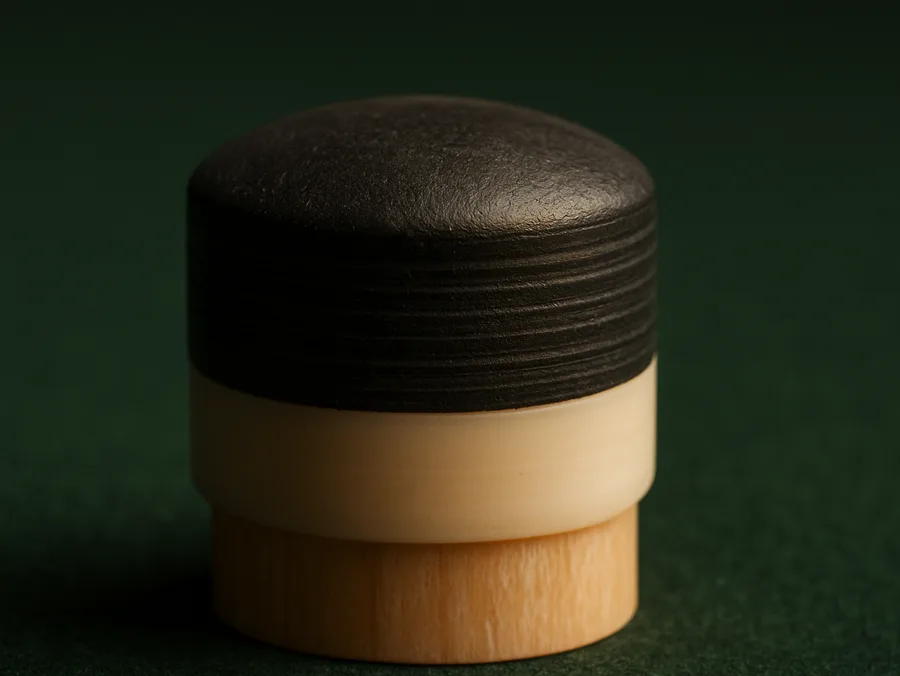
Layered leather replacement tips
The first upgradeMost used cues want a new tip on day one. A pack of quality layered tips lets a cue tech, or a patient owner, put the most important contact point back in shape.
Check price on Amazon1x2 hard cue case
Protecting your findA hard case with room for the butt and two shafts saves your bargain from the trunk-of-the-car treatment that warped it for the last owner.
Check price on AmazonFrequently asked questions
How do I check if a used pool cue is straight?
Roll the shaft alone on something flat, a pool table or a glass counter, and watch for the tip hopping or wobbling. Then roll the assembled cue the same way. One that rolls straight in halves but wobbles together usually has a joint problem rather than warped wood.
How much should I pay for a used pool cue?
Roughly 50 to 65 percent of the current new price for a clean production cue, minus whatever it needs in repairs, like a tip or a wrap. Collectible makers are the exception and take their own research.
Is a small wobble in the roll test a dealbreaker?
A barely visible wobble in the shaft matters less than sellers fear and buyers claim. Wood moves, and a hair of runout will not cost you games. A hop you can plainly see, or a wobble at the joint, is a real defect that should either kill the deal or cut the price.
Related guides
LeaguePool is reader-supported. When you buy through links on this site we may earn an affiliate commission at no extra cost to you. As an Amazon Associate we earn from qualifying purchases.