
How to Break in Pool for a Better Spread
The break sets the tone for the whole rack. A good one spreads the balls, drops one or two, and leaves you at the table with a shot. A bad one leaves clusters and hands the game over. Beginners assume the break is about raw muscle. It is mostly about clean contact and control. Here is how to break for a strong, consistent spread.
Setup and cue ball placement
Where you spot the cue ball behind the head string matters. For an eight-ball break, a lot of players set up slightly off center near the second diamond, which gives a full hit on the head ball while keeping the cue ball controllable. For nine-ball, breaking from closer to a side rail and hitting the 1 ball squarely is common. Experiment until you find the spot that gives you the cleanest full contact on the front ball.
Almost every break has the same goal: a square, full hit on the apex ball. A full hit dumps your energy into the pack. A glancing hit wastes power and throws the balls around unpredictably.
Stance and grip for power
Widen your stance a little compared with a normal shot and plant your feet, since the break involves more body movement. Keep the bridge firm and a touch longer than usual so you have room for a longer, faster stroke. Grip the cue a bit farther back for leverage. Do not strangle it, though. A death grip costs you speed and accuracy at the same time.
Stay down and stay balanced. Players who lunge or pop up off the shot lose power and lose their aim together. The power comes from a coordinated, whip-like motion, not from heaving your body at the ball.
The stroke: smooth, not violent
The secret to a strong break is acceleration through the cue ball, not a hard jab at it. Take a smooth backswing. Accelerate so the cue is moving fastest right at contact, then follow through straight along the aim line. Timing beats brute force here. A well-timed medium-hard stroke out-breaks a wild all-out swing almost every time, because it hits the ball squarely.
Keep the cue as level as you can, too. An elevated cue drives the cue ball down into the cloth, so it hops and bleeds off energy. A level cue keeps the hit true and helps you control where the cue ball finishes.
Cue ball control after the break
A great break does more than scatter balls. It parks the cue ball in the open for your next shot. To keep it near the middle of the table, strike it as close to center as you can with a level cue. A common technique is to hit slightly above center, or with a touch of controlled contact, so the cue ball checks up around the middle instead of flying to a rail or scratching in a corner or side pocket.
Keep scratching on the break? You are probably hitting too hard, catching the pack off-center, or elevating the cue. Dial the power back to about 80 percent and focus on square contact. The control comes back.
Practice and gear
Break power comes from clean contact and repetition, not gym strength. Practice hitting the head ball flush at different speeds and watch how the spread changes. Plenty of serious players carry a dedicated break cue with a harder tip and stiffer shaft. It resists deforming under the impact, puts more energy into the rack, and spares their playing cue the abuse.
Our picks
Links open the current selection and price on Amazon so you can compare real reviews before buying.
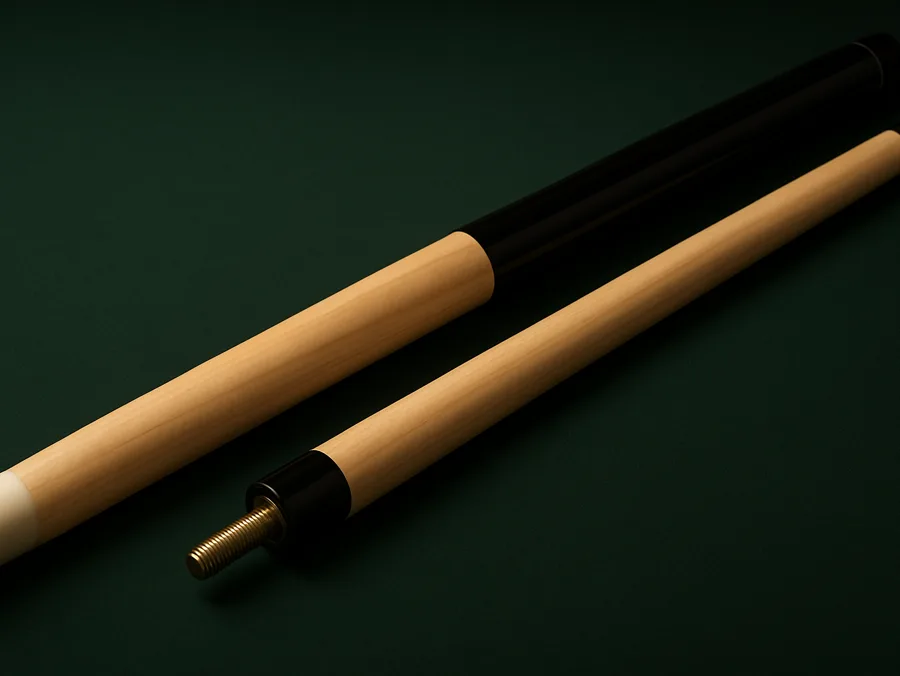
Dedicated Break Cue
More power with a protected playing cueA stiffer shaft and a hard phenolic or leather tip, built to survive hard breaks and put maximum energy into the rack so your good cue never takes the beating.
Check price on Amazon
Training Cue Ball with Spots
Learning square, centered contactA marked cue ball shows you exactly where you are striking, which makes the off-center hits that ruin a break easy to fix.
Check price on Amazon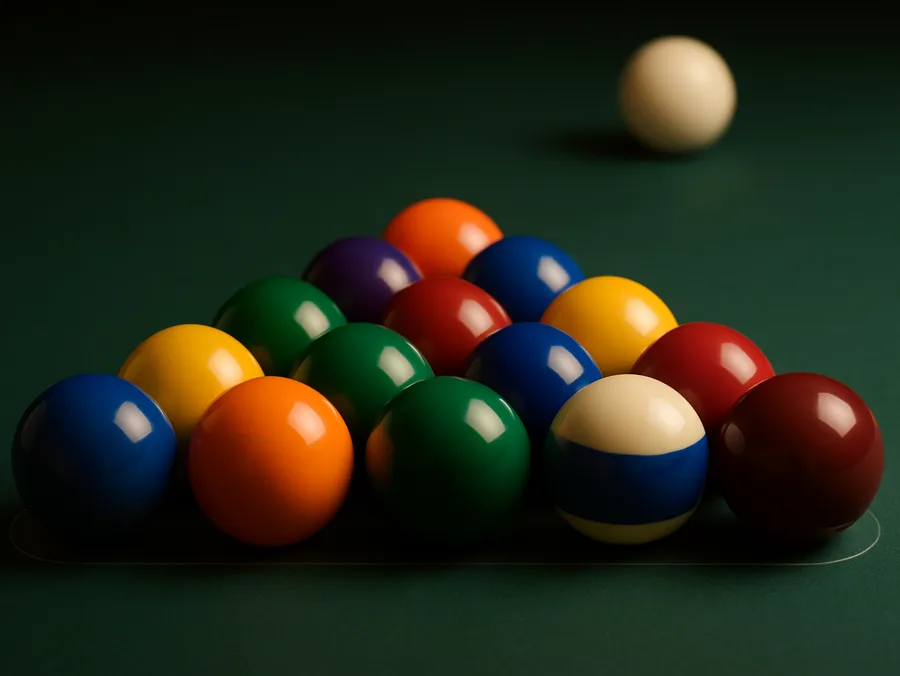
Template Rack
A consistently tight rack to break intoLocks the balls into a perfectly frozen rack so your break energy transfers cleanly, and gives you a repeatable spread to practice against.
Check price on AmazonFrequently asked questions
Should I break as hard as I can?
No. Square, centered contact matters far more than raw power. A smooth, well-timed stroke at around 80 percent that hits the head ball flush gives a better spread and fewer scratches than an all-out swing that lands off-center.
Why does my cue ball keep scratching on the break?
Usually you are hitting too hard, catching the rack off-center, or elevating the cue so the ball hops. Level the cue, hit the apex ball squarely near center, and ease off the power to keep the cue ball parked in the middle of the table.
Do I need a special break cue?
It is not required. But a break cue with a harder tip and stiffer shaft transfers energy better and keeps your playing cue away from those repeated hard impacts, which is why a lot of regular players use one.
Related guides
LeaguePool is reader-supported. When you buy through links on this site we may earn an affiliate commission at no extra cost to you. As an Amazon Associate we earn from qualifying purchases.