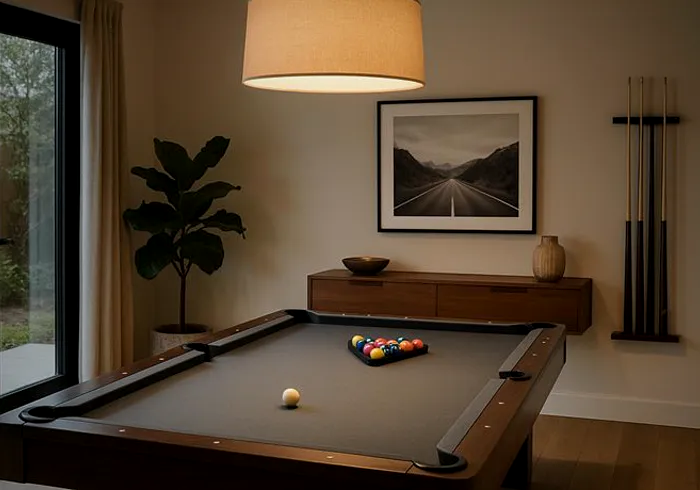
Valley vs Diamond Bar Tables
If you play coin-op league pool in the US, you play on one of two tables: a Valley or a Diamond. Between them they cover nearly every bar and pool hall league in the country, and they play differently enough that switching from one to the other on tournament night can wreck your speed control for a full rack. Here is how the two compare and how to adjust.
The Valley: The Original Bar Box
Valley tables have been the furniture of American bar pool since the 1960s, and the 7 foot Valley Panther and its coin-op ancestors are what most people picture when they hear the phrase bar table. The pockets are generous, the slate is solid, and the rails have a distinctly softer, deader response than a tournament table. The cloth on most bar Valleys is a durable, slightly fuzzy blend chosen to survive spilled beer and thousands of racks, and it plays slower than tournament cloth.
None of that is criticism. Valleys reward straightforward shotmaking, they are nearly indestructible, and the huge installed base means the skills transfer everywhere. Most traditional coin-op leagues run on them because that is what the vending route operators own. Millions of players learned the game on a Valley, and the muscle memory it builds is real.
The Diamond: A Pro Table in a 7 Foot Body
Diamond built its reputation on 9 foot tournament tables, then put the same construction into a coin-operated 7 footer called the Smart Table. The pockets are pro cut, meaning noticeably tighter and with pocket facings angled to reject balls hit down the rail with too much speed. The cloth is typically Simonis 860, which is fast worsted tournament cloth, and the rails are lively and true. Racks break apart with less effort, draw and spin take noticeably better, and long shots travel with pace you did not put there.
Diamonds also introduced the blue-tinted LED light bar many players now associate with the brand, and the Smart Table uses an optical system rather than a magnetic or oversized cue ball to return the cue ball after a scratch, so you play with a normal regulation ball.
Which Leagues Play on Which
As a rough map: traditional APA and TAP bar leagues mostly shoot on Valleys because the leagues follow the equipment already in the bars. BCAPL and USAPL leagues, CSI events, and most big barbox tournaments (including the huge Vegas events) standardized on Diamonds. Plenty of markets mix the two, and some pool halls run league night on Diamonds while the corner bar down the street has a pair of Valleys.
If you are chasing tournament results, get hours on a Diamond. If your league is bar-based, the Valley is your real exam.
Adjusting Between Them
The adjustment going from Valley to Diamond is mostly about respect for the pockets and the speed. Balls you casually rattled in on a Valley get spit out of a Diamond, especially shots down the rail, so aim for the center of the pocket and take some pace off. The fast cloth means your normal lag stroke sends the cue ball a diagonal-table too far; shorten your draw and follow expectations accordingly.
Going the other way, Valley players moving to a Diamond often overrun position for a session, and Diamond players on a Valley have to add stroke to move the cue ball and can fire at pockets with more confidence. Spend your first rack on either table just lagging balls up and down to calibrate.
Banks change too. The livelier Diamond rails and faster cloth make banks run longer than most Valley players expect, while soft Valley cushions kill angles short. If your league finals move you from one table to the other, get at least one full practice session on the destination equipment before it counts.
Buying One for Home
Both show up on the used market. Retired coin-op Valleys are one of the best cheap home tables in existence: $500 to $1200 buys a tank of a slate table, and mechanics can convert the coin mechanism to free play. Expect to refelt it and possibly refresh the cushions.
Used Diamonds are rarer and hold value; a clean used Smart Table often costs $3000 or more, and new ones considerably more. The honest advice: buy the table that matches the league you play in, because practicing on equipment that behaves like tournament night is worth more than prestige.
Our picks
Links open the current selection and price on Amazon so you can compare real reviews before buying.

Aramith Crown Standard Billiard Ball Set
Regulation play on either tableA proper Aramith phenolic set rolls true and lasts decades. If you buy a used coin-op table, a fresh ball set is the first upgrade that matters.
Check price on AmazonAramith Magnetic Cue Ball
Coin-op Valley cue ball returnsOlder Valley coin mechanisms separate the cue ball magnetically, so a scratch swallows a standard ball. A magnetic Aramith cue ball keeps a converted or coin-op Valley working with regulation size and weight.
Check price on Amazon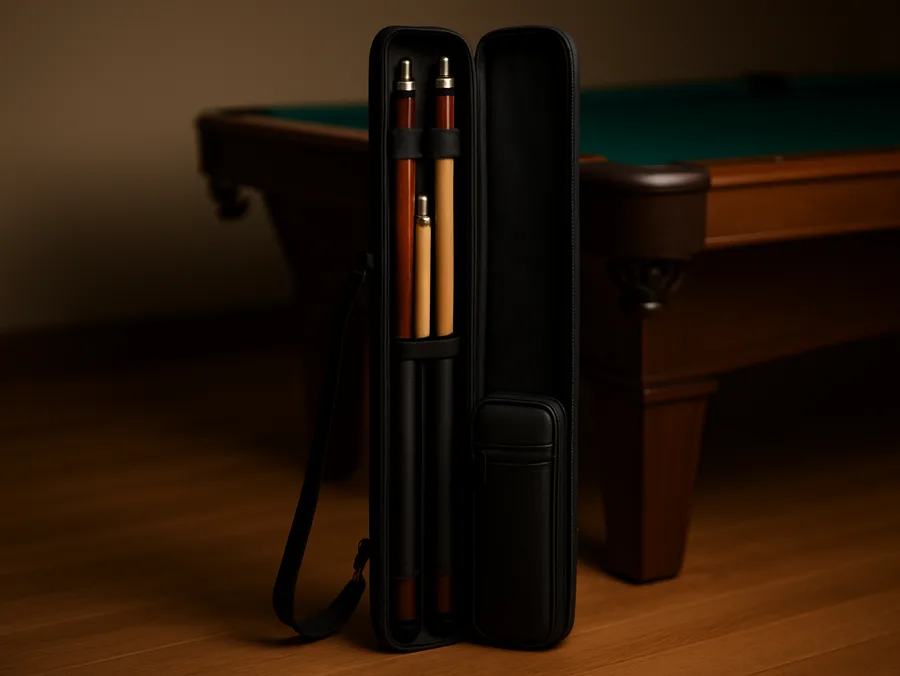
Casemaster Q-Vault Cue Case
Hauling cues to league nightLeague play means your cue rides to a different bar every week. A padded 2x2 case protects shafts from temperature swings and trunk abuse.
Check price on AmazonFrequently asked questions
Are Diamond tables really harder than Valleys?
The pockets are tighter and the pro-cut facings reject sloppy rail shots, so yes, potting is less forgiving. Many players find position play easier on a Diamond, though, because the fast cloth and lively rails respond predictably.
Why does the cue ball feel different on an old Valley?
Many coin-op Valleys use a magnetic cue ball, and some older bars use an oversized one, so the return mechanism can tell it apart from object balls. A worn or oversized cue ball changes how draw and follow react, which is part of the classic bar table feel.
Which table should I practice on for APA leagues?
Match your local equipment. Most bar-based APA divisions shoot on Valleys, so practice there, but put in Diamond time before regional and national events since higher-level APA and most major barbox tournaments use Diamonds.
Related guides
LeaguePool is reader-supported. When you buy through links on this site we may earn an affiliate commission at no extra cost to you. As an Amazon Associate we earn from qualifying purchases.