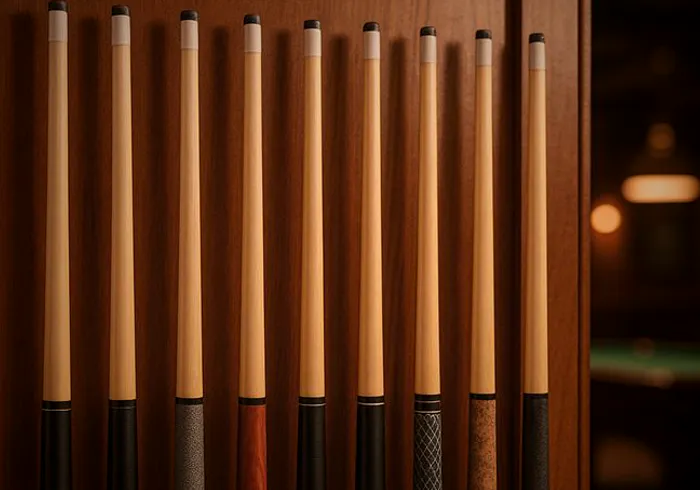
What Pool Cues Do the Pros Use?
Watch any professional pool event today and you will notice two things fast: almost everyone is playing with a black shaft, and the brand patches on their shirts tell you exactly whose cue is in their hands. Professional pool runs on sponsorships, so the honest answer to what cues the pros use starts with who is paying them, but the equipment trends underneath the logos are real and worth understanding.
Here is what the top players actually shoot with, why carbon fiber took over the pro game in about five years, and what any of it means for your own cue buying.
The pairings you will see on tour
Shane Van Boening, the most successful American player of his generation, is Cuetec's flagship player and shoots the Cynergy carbon shaft; the company sells an SVB signature line built around his specs. Fedor Gorst has been a Predator player through much of his rise, shooting REVO carbon shafts. Efren Reyes, maybe the greatest ever, played Mezz cues for years during his prime, and Mezz remains heavily represented among Filipino, Japanese, and Taiwanese professionals. Joshua Filler and a long list of European stars have also carried Predator equipment.
One caveat worth repeating: these are sponsorship arrangements, and players do switch when contracts change. Treat any specific pairing as a snapshot, not a permanent fact.
Why carbon fiber took over the pro game
Ten years ago the pro ranks were mostly wood; today a maple shaft in a televised final is the exception. Carbon shafts won for three reasons. They deflect less, so aiming with side spin is more consistent. They are immune to humidity, so a shaft plays identically in Manila, Las Vegas, and a cold convention hall in England. And they never warp or develop dead spots, so a pro can own two identical shafts and switch between them without noticing.
- Consistency is the whole story. Pros are not looking for magic; they are eliminating variables.
- Feel took time to accept. Early carbon shafts felt hollow and pingy to wood players, and modern designs have largely fixed that.
What pro specs actually look like
Pro playing cues are less exotic than people expect. Weights cluster between 18.5 and 19.5 ounces, with very few outliers. Tip diameters have trended down: 12.4mm and even 11.8mm shafts are common now, where 13mm was once standard. Tips are usually medium or medium-hard layered leather, because soft tips lose shape too fast under a pro practice load. Most pros also carry a dedicated break cue with a phenolic tip and a jump cue, which is a bigger equipment difference from amateurs than the playing cue itself.
Extensions have also become near-universal. Watch a modern pro event and you will see players screwing a short extension onto the butt for long reaches instead of hunting for the mechanical bridge. Most flagship cues now ship extension-ready, and it is one pro habit that transfers directly to amateur play. The other quiet detail is chalk: many pros are particular to the point of superstition about their chalk brand, carrying their own cube and chalking before literally every shot. That habit costs nothing to copy and prevents more missed balls than any equipment purchase.
The part that should save you money
Here is the honest truth: the cue matters far less than the shaft, and the shaft matters far less than the stroke. A pro could beat you with a warped house cue off the wall rack. The reason pros use $2000 to $3000 setups is that consistency at the millimeter level is worth real money to them, and because the cues are free. For an amateur, a $500 setup gets you roughly 95 percent of the equipment benefit a pro enjoys. The remaining gap between you and them is practice, not carbon.
If you want to shoot what the pros shoot, the affordable version is simple: buy the same shaft technology on a plainer butt. A Cynergy or REVO shaft on a basic butt plays essentially like the flagship signature model.
How to chase the pro setup on a budget
Work in this order. First, get a carbon or quality low-deflection shaft, because that is the piece pros genuinely rely on. Second, get a proper layered medium tip and keep it shaped. Third, add a break cue with a hard tip so you stop punishing your playing tip on the break. A full pro-style bag built this way lands between $600 and $900, and nothing in it will hold you back at any amateur level.
Our picks
Links open the current selection and price on Amazon so you can compare real reviews before buying.
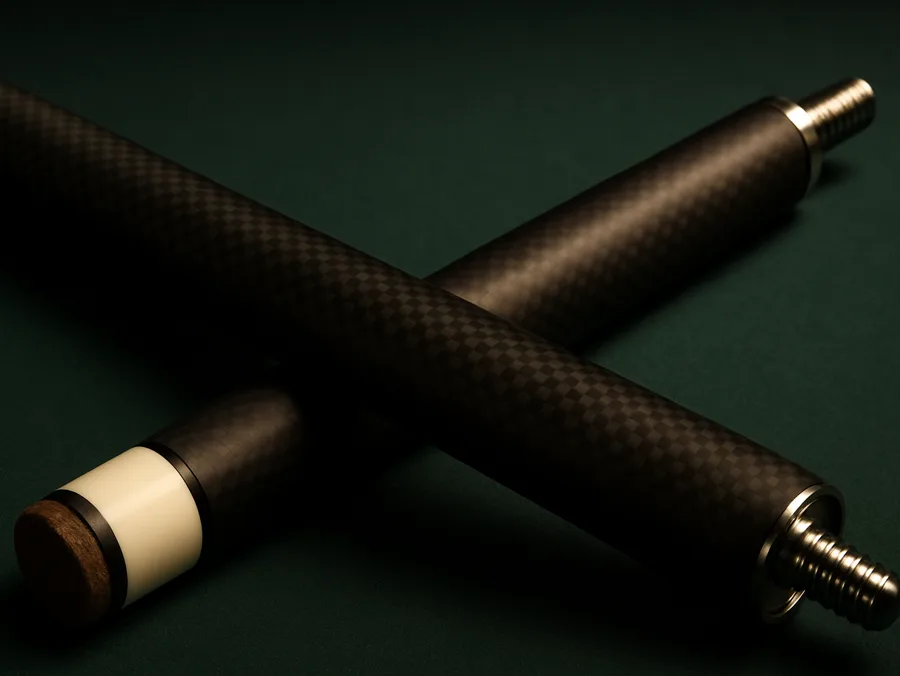
Cuetec Cynergy Carbon Fiber Shaft
The SVB shaftThe carbon shaft Shane Van Boening plays, available separately in common joint types so you can fit it to a butt you already own.
Check price on AmazonPredator REVO Carbon Fiber Shaft
Most popular pro carbonThe shaft that started the carbon takeover and still the one you see most on tour, offered in several tip diameters down to 11.8mm.
Check price on AmazonMezz EC7 Series Cue
Japanese pro pedigreeMezz builds some of the most precisely machined production cues in the world, and the EC7 line is the accessible entry into the brand Efren Reyes made famous.
Check price on AmazonFrequently asked questions
Do pros pay for their cues?
Top players almost never do; cue companies pay them to play the equipment. That is worth remembering when a pro praises a product. The equipment is genuinely excellent, but the endorsement is a job.
What tip size do most professionals use?
Most are between 11.8mm and 12.5mm today, smaller than the old 13mm standard. Smaller tips suit low-deflection shafts and precise spin play, but they are less forgiving of a sloppy stroke.
Do I need a carbon fiber shaft to play seriously?
No. Plenty of great pool has been played on maple, and a good wood low-deflection shaft is still competitive. Carbon buys you consistency and zero maintenance, which is why pros love it, but it will not fix fundamentals.
Related guides
LeaguePool is reader-supported. When you buy through links on this site we may earn an affiliate commission at no extra cost to you. As an Amazon Associate we earn from qualifying purchases.