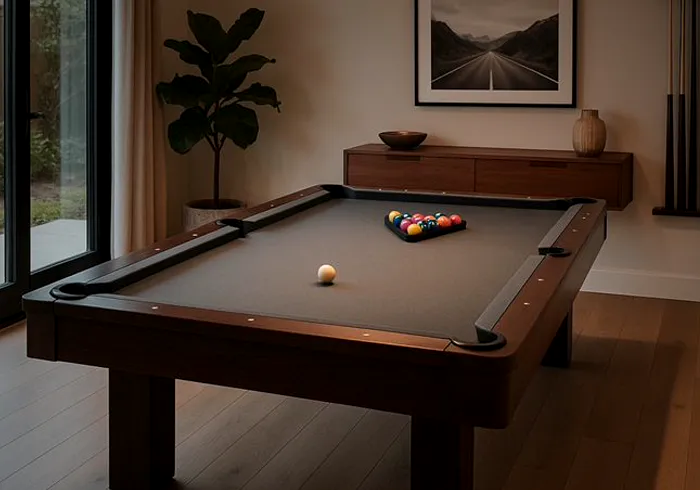
Best Pool Games to Play Alone
Nobody gets good at pool during matches. The players who improve fastest are the ones who put in table time alone, and the difference between aimless ball-banging and real progress is structure. A solo game with rules and a score gives every rack a purpose, tells you honestly whether you are improving, and keeps practice from getting stale.
These are the solo games serious players actually use, from the famous ghost to scored formats you can track week over week.
Playing the Ghost
The ghost is the classic solo game and the standard way players measure themselves. Rack 9-ball or 10-ball, break, take ball-in-hand, and try to run out. Finish the rack and you win the game; miss anywhere and the ghost wins. Play a race, say to 7, against this imaginary opponent who never misses.
The ghost scales perfectly to your level. Beginners should play the 3-ball or 5-ball ghost, racking only a few balls, and add a ball once they win a race. If you can beat the 9-ball ghost regularly, you are a legitimately strong player. Keep your race scores in a notebook or phone; the trend line does not lie.
Equal Offense
Equal offense is a scored 15-ball format used in organized competition, and it doubles as a superb solo game. Rack all fifteen, break, take ball-in-hand behind the head string, and pocket balls in any order, calling each shot. Your inning ends at your first miss or when you reach the maximum, typically 20 balls counting the spotted continuation in official rules; solo players usually just count balls made up to 15. Play ten innings and total your score.
Because every ball counts one point regardless of number, equal offense isolates pure shot-making and pattern play with no pressure to shoot in rotation. A 150 is perfect; most amateurs live between 60 and 110, which leaves plenty of room to chart progress.
Bowlliards
Bowlliards borrows its entire scoring system from bowling, ten frames with strikes and spares. Each frame, rack ten balls, break, take ball-in-hand, and shoot. Pocket all ten without missing and it is a strike. Miss, and you get one more inning that frame to finish the remaining balls for a spare. Score exactly like bowling, bonuses included, with 300 as a perfect game.
The bowling math is what makes it addictive. A strike is worth ten plus your next two innings, so pressure builds exactly the way it does at the lanes, and a good score feels earned. It is also a great two-player game where you never touch each other's balls.
Target Pool and Position Drills
Target pool sharpens the skill that actually separates players: cue ball position. Scatter a few object balls, then place a paper target zone, a sheet of paper or a taped rectangle, somewhere on the cloth. Every shot, you must pocket the object ball and land the cue ball inside the target. Score points for each success, shrink the target as you improve.
A simpler variation is the stop-shot ladder: shoot straight-in shots at increasing distances, requiring the cue ball to stop dead each time. Boring on paper, transformative in practice, because a dead-reliable stop shot is the foundation every position route is built on. Give it the last ten minutes of every session and watch your ghost scores climb within a month.
Progressive Drills That Track Themselves
Progressive drills adjust their own difficulty. A favorite: place an object ball on the spot and the cue ball one diamond away, and make the shot. Each make, move the cue ball back one diamond; each miss, move it up one. After twenty balls, the position you end at is your score. The drill always meets you at the edge of your ability, which is exactly where improvement happens.
Whatever games you choose, write scores down. Three solo sessions a week with recorded numbers will beat a month of casual racks, and watching the ghost races get closer is genuinely motivating.
One warning from experience: rotate your games. Two straight weeks of nothing but the ghost breeds sloppy safeties, because the ghost never punishes a bad leave, while two weeks of pure drills dulls your competitive edge. A session that mixes one drill, one scored game, and ten minutes of pure break practice covers every muscle the real game uses.
Our picks
Links open the current selection and price on Amazon so you can compare real reviews before buying.
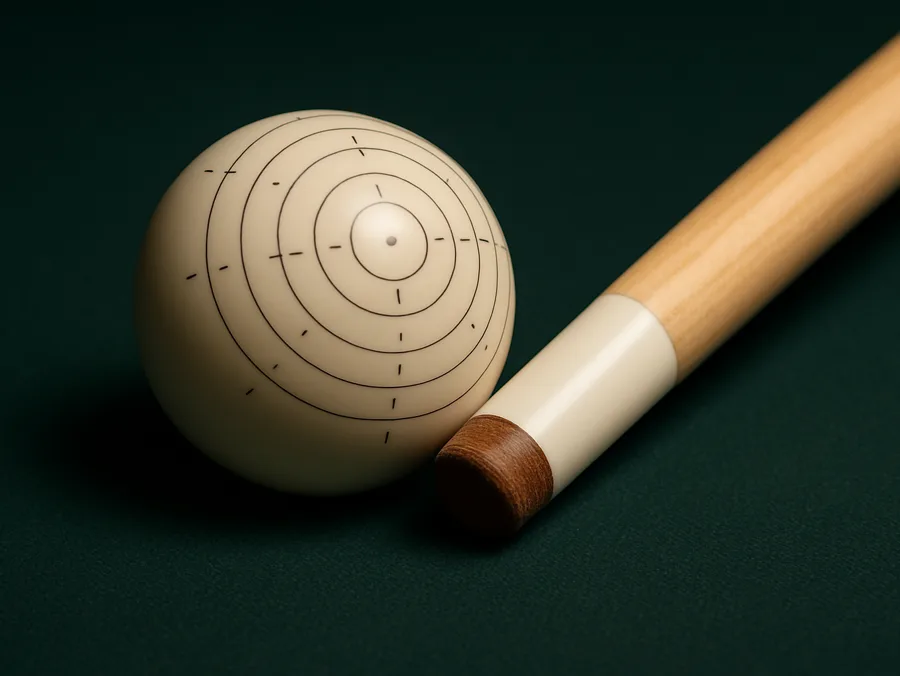
Aramith Jim Rempe Training Ball
Learning spin and targetsThe Rempe ball is a regulation cue ball printed with aiming rings and strike zones, with beginner and advanced sides. It turns every solo drill into instant feedback on where you actually struck the ball.
Check price on Amazon
99 Critical Shots in Pool
Structured practice materialThis long-running Ray Martin book is a catalog of the shots that decide real games, each with setup diagrams you can lay out on the table. Working through it a few shots per session is a practice plan in itself.
Check price on AmazonBinder Hole Reinforcement Labels
Marking ball positions cheaplyThe humble paper donut is the standard tool for repeatable drills: stick one on the cloth, spot the ball on it, and every attempt starts from the identical position. A few hundred cost almost nothing and peel off clean.
Check price on AmazonFrequently asked questions
What is the best solo pool game for a beginner?
Start with the 3-ball ghost. Rack three balls, break, take ball-in-hand, and try to run them in rotation. It builds the run-out habit without the frustration of a full rack, and you add a ball each time a race gets easy.
How long should a solo practice session be?
Forty-five minutes to an hour of focused, scored practice beats three hours of casual hitting. Most players lose concentration after an hour, and drills done sloppily just rehearse mistakes. Short, frequent, and scored is the formula.
Should I practice drills or play games when alone?
Both, ideally in the same session. Drills isolate specific weaknesses like draw distance or rail cut shots, while scored games such as the ghost or bowlliards teach you to string those skills together under a little pressure. A common split is twenty minutes of drills followed by a ghost race.
Related guides
LeaguePool is reader-supported. When you buy through links on this site we may earn an affiliate commission at no extra cost to you. As an Amazon Associate we earn from qualifying purchases.